

 DIRECT TOP-UP

 CARD
CARDBlood Strike Beginner Guide【2026】
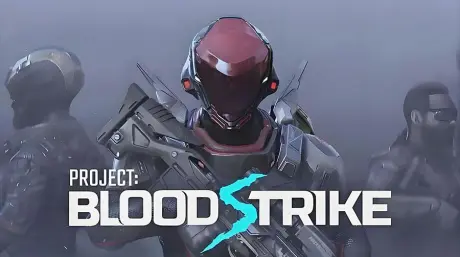
If you are moving to Blood Strike from PUBG Mobile, Free Fire, or Call of Duty: Mobile, your first few matches will probably feel a little strange: enemies show up extremely quickly, team fights almost never stop, and teammates who have clearly been eliminated soon return to the battlefield. Many new players simply think the game is faster paced, but after playing for a while, you will realize that the core of Blood Strike is not just "speed". It has almost redesigned the underlying logic of traditional Battle Royale games.
Instead of focusing on shrinking zones, survival, or looting, the developers keep players in constant combat through the cash economy, unlimited revives, Striker skills, and weapon progression system. In other words, this game tests more than aim. It also tests resource management, character synergy, and teamwork. If you build the right understanding early, you will improve much faster than by only practicing recoil control.
When You First Enter the Game, Finish These Settings Before Rushing Ranked
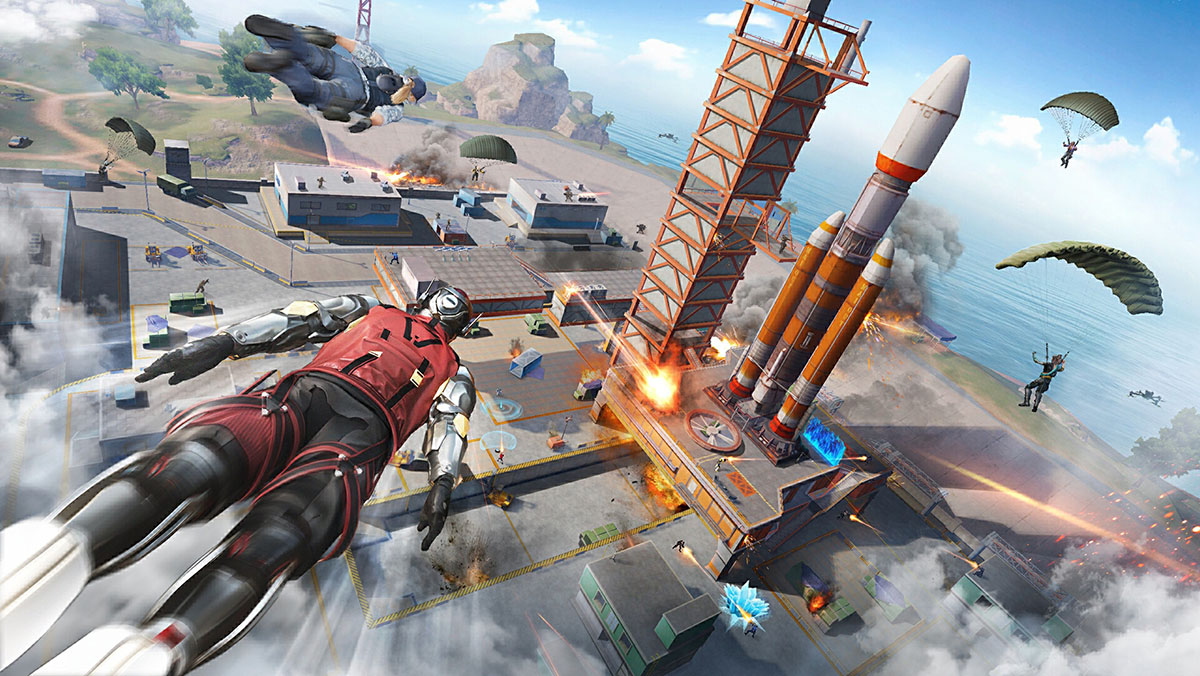
Many players jump straight into ranked after finishing the tutorial, hoping to climb as fast as possible, but Blood Strike's default settings are not necessarily suitable for everyone. It is better to spend a few minutes adjusting your HUD, sensitivity, and auto-loot settings so the controls match your own habits.
For most new players, keeping camera sensitivity at a medium-low level makes it easier to control the muzzle, especially with assault rifles and light machine guns. If sensitivity is too high, the muzzle can drift left and right during continuous mid-range fire. If it is too low, turning quickly in close-range fights becomes difficult. A better approach is to enter the training range, shoot targets at different distances, and fine-tune your settings based on recoil control feel instead of directly copying a streamer or pro player's setup.
In addition, it is recommended to enable auto-pickup for armor and commonly used ammo, but disable automatic weapon switching. This reduces looting time while preventing the system from mistakenly replacing a main weapon you are already comfortable with.
Which Weapon Should Beginners Practice First? Do Not Only Look at Damage Numbers
Blood Strike weapons include assault rifles (AR), submachine guns (SMG), sniper rifles (SR), shotguns (SG), and light machine guns (LMG). When many players first check weapon stats, they tend to pick the gun with the highest damage. However, what truly affects your gunfight win rate is the weapon's overall performance.
If you are new to the game, I recommend practicing M4, SCAR, or AK series assault rifles first. These weapons offer solid range and stability, making them suitable for most map environments. The M4 in particular does not have the highest single-shot damage, but its stable fire rate and easy-to-control recoil make it easier to land shots even during continuous spray, making it an excellent first long-term main weapon.
By contrast, some high-damage weapons such as the AK can deliver stronger burst damage in skilled hands, but their horizontal recoil is much more noticeable and requires better recoil control. Without enough practice, lower accuracy can actually reduce your real damage output.
SMGs are better suited for players who enjoy close-range fights. They offer faster ADS speed and movement speed, giving them a clear advantage when pushing urban areas or fighting indoors. However, beyond mid-range, their damage falloff becomes very obvious. Therefore, beginners do not need to switch weapon types too often. It is more efficient to master one comfortable assault rifle first, then add an SMG based on your playstyle.
Understanding Weapon Stats Is More Important Than Copying Builds
There are many so-called "best attachment recommendations" online, but if you do not understand what weapon stats mean, it is easy to equip a Build that does not actually suit you.
Take assault rifles as an example. Many players see Damage and assume higher is always better, but Fire Rate also affects kill efficiency. A weapon with slightly lower damage but a faster fire rate may actually have a shorter time to kill in real gunfights.
Control determines how easy the weapon's recoil is to manage. For new players, this stat is often more important than damage. A stable muzzle means higher accuracy, and accuracy is usually more important than theoretical damage.
Mobility affects movement while aiming, ADS speed, and weapon switching speed. Players who like aggressive pushes can sacrifice a little stability for faster movement efficiency. If you prefer holding mid-range angles, you should prioritize Control and accuracy.
A truly good Build is never the one with the highest numbers. It is the one that fits your playstyle.
The BAS Attachment System Is More Than Just "Upgrading Weapons"
As weapon levels increase, Blood Strike gradually unlocks the BAS attachment system. This is also why many veteran players keep investing in fixed weapons over the long term.
Each attachment changes a specific weapon performance aspect. For example, muzzles can reduce recoil, stocks can improve aiming stability, and grips can affect control during continuous fire. Attachments often require trade-offs, and very few setups can improve every stat at the same time.
If most of your fights happen at mid-to-long range, prioritize attachments that improve stability and accuracy. If you often fight inside buildings, it is better to increase ADS speed and mobility so you can gain an advantage in close-range encounters.
Therefore, do not replace everything immediately after unlocking new attachments. Adjust one or two parts at a time, test them in the training range, and gradually optimize the setup according to your own control habits.
The Cash System Affects the Whole Team, Not Just Your Own Gear
Many new players spend all their cash on high-tier gear the first time they enter a Buy Station, hoping to boost their combat power quickly. But after playing ranked, you will notice that high-level players usually do not spend all their money at once.
The reason is simple: in Blood Strike, cash is not only used to buy equipment. It is also crucial for reviving teammates.
After a team fight, if at least one squad member is still alive and has enough cash, eliminated teammates can return to the battlefield. Many matches that seem already lost can be turned around through this mechanic by rebuilding a numbers advantage.
So instead of putting all resources into personal gear, always keep some emergency cash. In squads, a player who can reliably revive teammates is often more valuable than someone who simply gets a few more kills.
Ranked Truly Tests Decision-Making, Not Just Aim
Many players blame poor aim when they cannot climb ranked, but in reality, most ranked losses happen after bad decisions.
For example, rushing toward gunfire without confirming enemy numbers, heading straight for an airdrop while ignoring the shrinking safe zone, or continuing to chase enemies after a teammate is knocked instead of securing a safe retreat. These choices all affect the pace of the entire match!
Blood Strike encourages active fighting, but that does not mean mindless aggression. Knowing when to push, when to replenish resources, and when to use a Buy Station to rebuild the team is what truly separates beginners from strong players.
If You Plan to Play Blood Strike Long Term, Prioritize These Resources
For most players, Blood Strike is not an FPS that requires heavy spending to experience the full game. Even free-to-play players can gradually unlock many characters, weapons, and attachments by consistently completing seasonal missions, events, and daily challenges. However, if you are sure you will play long term or plan to seriously push ranked, planning your Gold usage properly is usually more valuable than blindly pulling for cosmetics!
Taking the upcoming S18 season on July 15 as an example, we recommend prioritizing resources for the Strike Pass, your most-used Striker, and skins or progression content for your long-term main weapon. These investments can benefit you throughout the entire season instead of only bringing short-term value. Compared with spending immediately whenever you see an event you like, planning your Gold in advance usually offers better value for money.
If you need to top up Gold for the international version of Blood Strike, there are currently many platforms that support UID direct top-up. For example, the Kardz Blood Strike top-up page supports Global and multiple other servers. You only need to enter your game UID to complete the recharge, with no need to provide your game account or password, making the whole process relatively simple. The platform offers multiple Gold denominations, Strike Pass products, and more. Top-ups are usually delivered quickly, with support for multiple international payment methods and customer service, making it suitable for overseas players and international server users.
However, whether you top up or not, what truly affects your win rate in Blood Strike is still game understanding. Learning each Striker's role, building weapon Builds that suit you, managing the cash system, and constantly improving teamwork will help your ranked performance far more than simply owning more Gold or higher-tier cosmetics. For players just starting Blood Strike, building a solid foundation first and then deciding whether to invest resources according to your own play habits is usually the more reasonable growth path.



.3889d0fc-74ac50710b044340bd44dab8a52423fc-3586d75109ce407d9e379eb27e699030.png?x-oss-process=image/resize,m_fill,h_160,w_120/format,webp)




-2a715a59b9ac4d34bbed497d36983382.png?x-oss-process=image/resize,m_fill,h_160,w_120/format,webp)


-3ba822ffbd424a338c9584a4ff4e71ab.png?x-oss-process=image/resize,m_fill,h_160,w_120/format,webp)