

 DIRECT TOP-UP


 CARD
Monster Hunter Outlanders Review: A Hardcore Hunt in Your Pocket
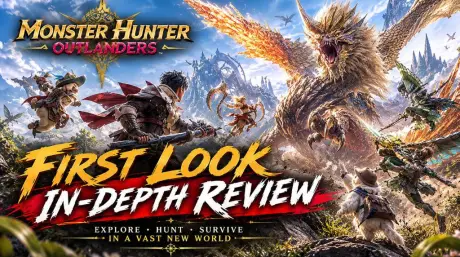


As a veteran hunter who started with Monster Hunter P2G on PSP and kept hunting through Monster Hunter Wilds, I have always been wary of mobile games and gacha. When Monster Hunter Outlanders was announced, my first thought was the same as many other fans: was Capcom out of money, and was the series about to damage its reputation on phones?
After strong recommendations from friends, I put my bias aside and entered this new frontier on an ordinary mid-range phone.
This review looks at the game from a regular player's perspective: is this free-to-play title, which promises no pay-to-win power and gear earned through hunting, actually fun?
Mobile Adaptation: Necessary Compromise or Too Much Simplification?
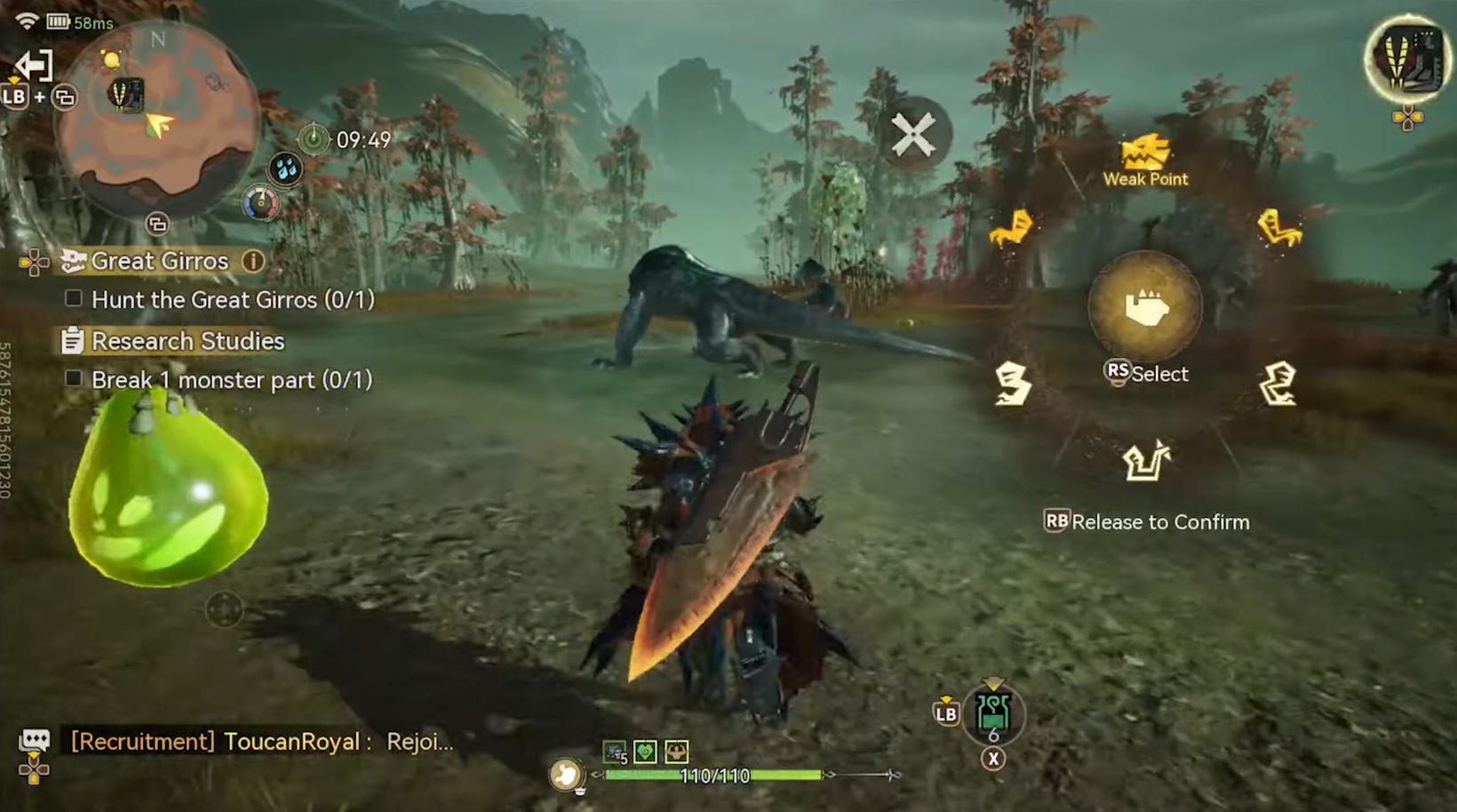
The first half hour felt extremely disjointed. Red notification dots, login rewards, mail, and event menus are overwhelming for anyone used to the clean console hunting experience.
The game also makes major cuts to traditional Monster Hunter systems: sharpening is removed, monsters have visible health bars, and the stamina gauge is gone. At first I felt these changes weakened the series' hardcore identity. Then I completed a full hunt with rewards in three to five minutes during a commute and understood the reasoning.
Most hunts last between one and five minutes, with few taking more than ten. You can start a hunt whenever you have a moment and put the game down immediately afterward. It is best understood as a spin-off rather than a mainline sequel.
The Combat Foundation: A Real Advantage on Mobile
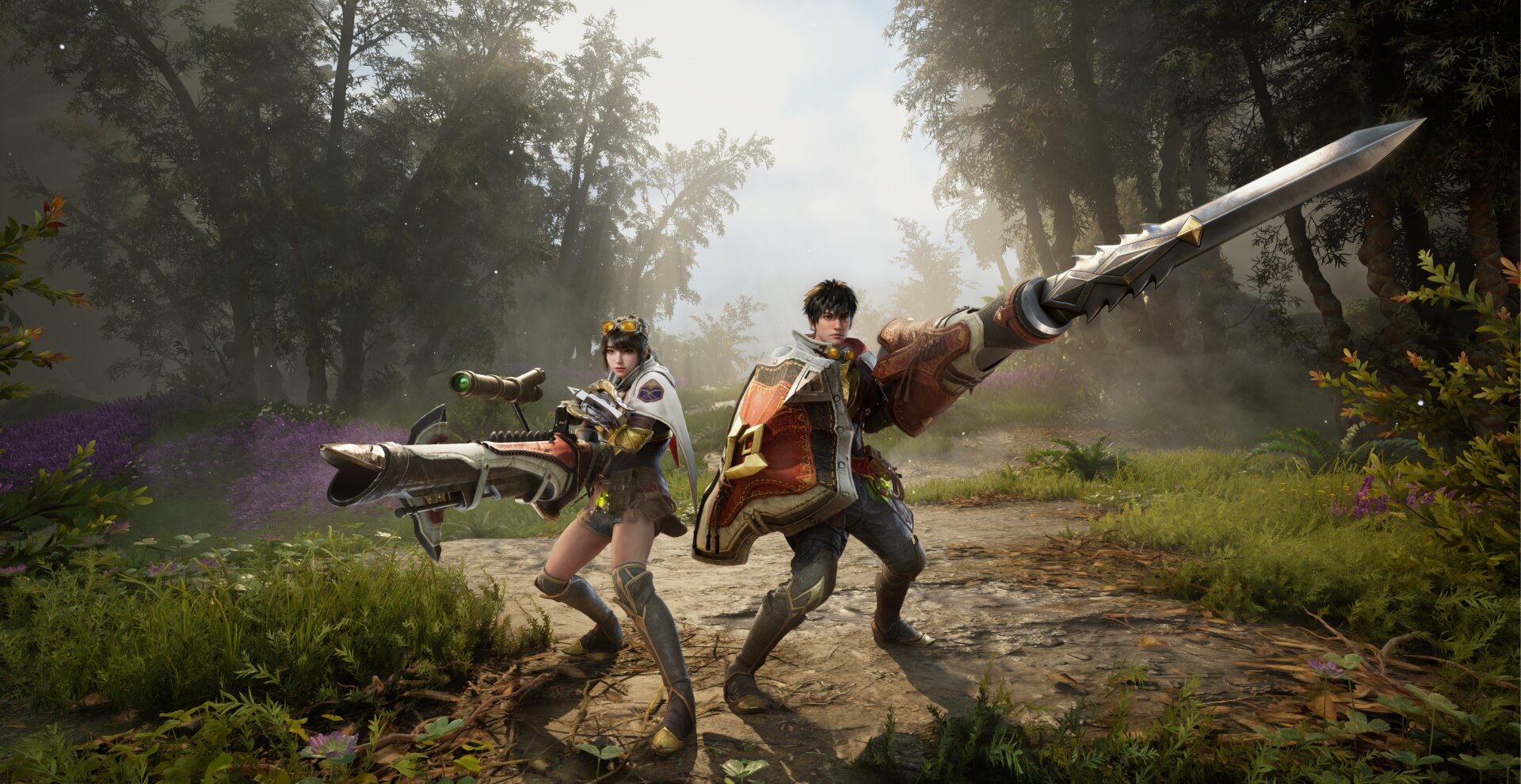
Combat is unquestionably Outlanders' biggest strength. Instead of relying on stat checks and automatic tapping, it brings Monster Hunter's positioning, hit zones, weapon movesets, and timing to a touchscreen.
Eight of the planned fourteen weapons are currently available, including the great sword, long sword, hammer, and light bowgun. They retain distinct combo trees and add perfect evades that can avoid damage, restore special resources, or empower follow-up attacks.
Characters also have signature ultimate skills inspired by Hunting Arts and Switch Skills. They can set traps, unleash burst attacks, or buff the entire party. 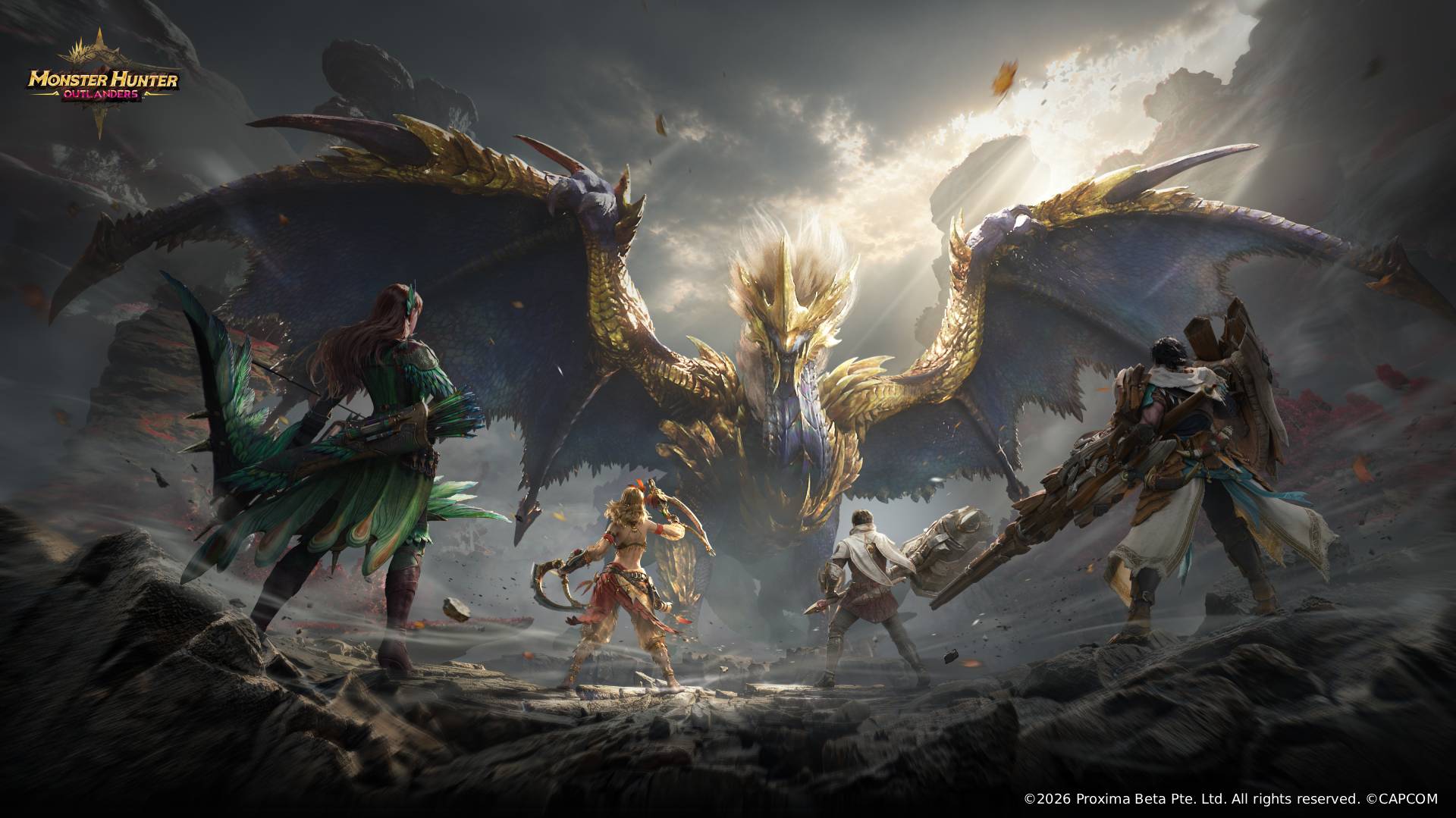
The main weakness is touch control. Precise great sword charges and longsword counters can suffer from accidental inputs. A controller is strongly recommended. With one connected, the game feels less like a decent mobile action title and more like a portable Monster Hunter.
Gacha Analysis: Does It Actually Break Balance?
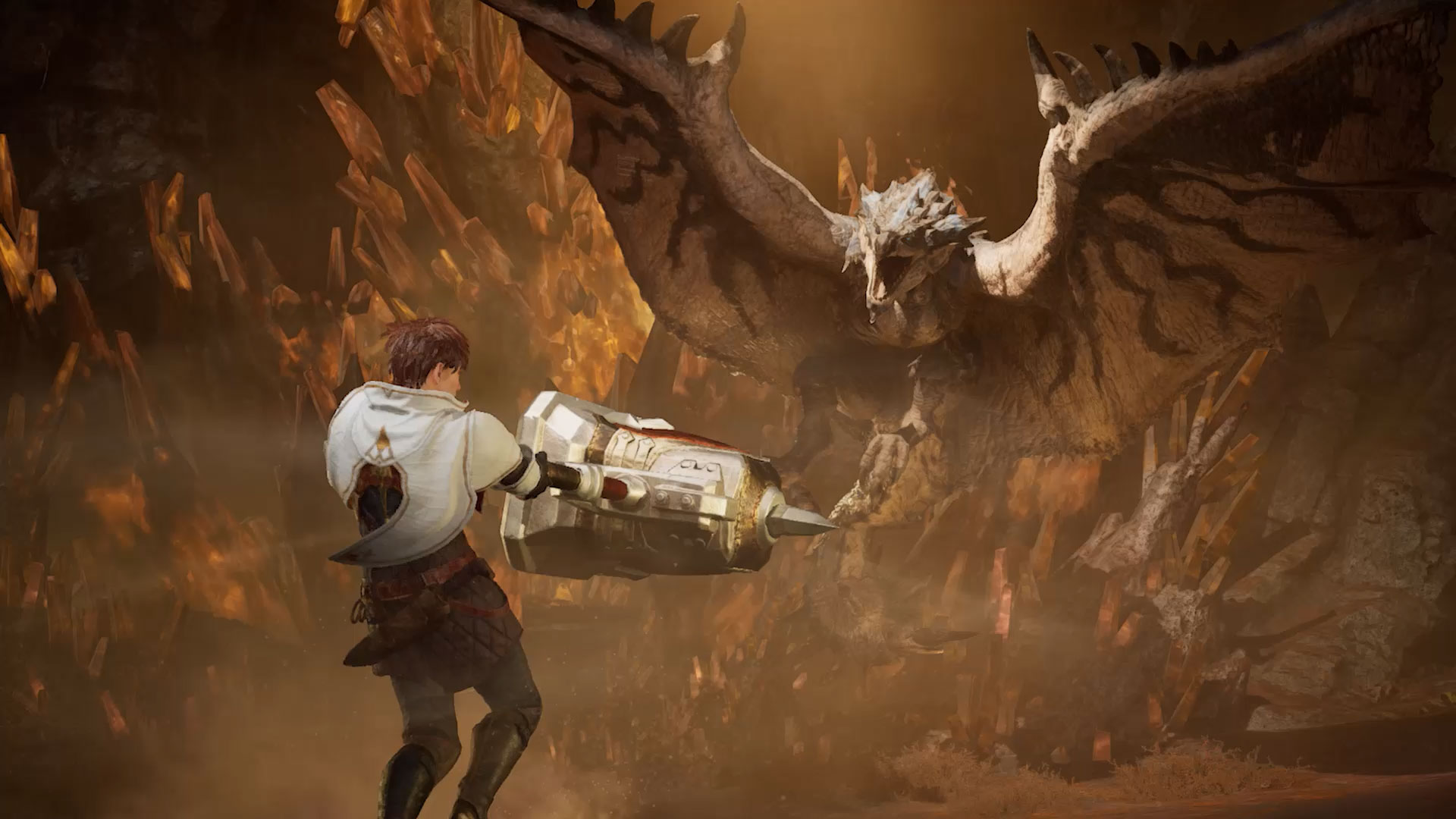
After dozens of hours, the promise that power comes from hunting and gear is earned rather than pulled has largely held up so far.
The summon system targets SSR adventurers. They have different strengths: Pyro, the fire great-sword user, has excellent burst damage, while others specialize in crowd control or team buffs.
The free SSR protagonist, Fading Adventurer, is the real tactical core. The protagonist can switch between owned weapon types and change elemental properties. Since elemental weaknesses matter greatly, this flexibility can outperform characters locked to one weapon or element.
During roughly 80% of the story, I never encountered a wall requiring a specific SSR. Studying monster patterns and practicing perfect evades mattered more than owning a particular character. SSR units mainly provide easier clears and specialized comfort, not an entrance ticket to completion.
Monster Ecology and Content Depth
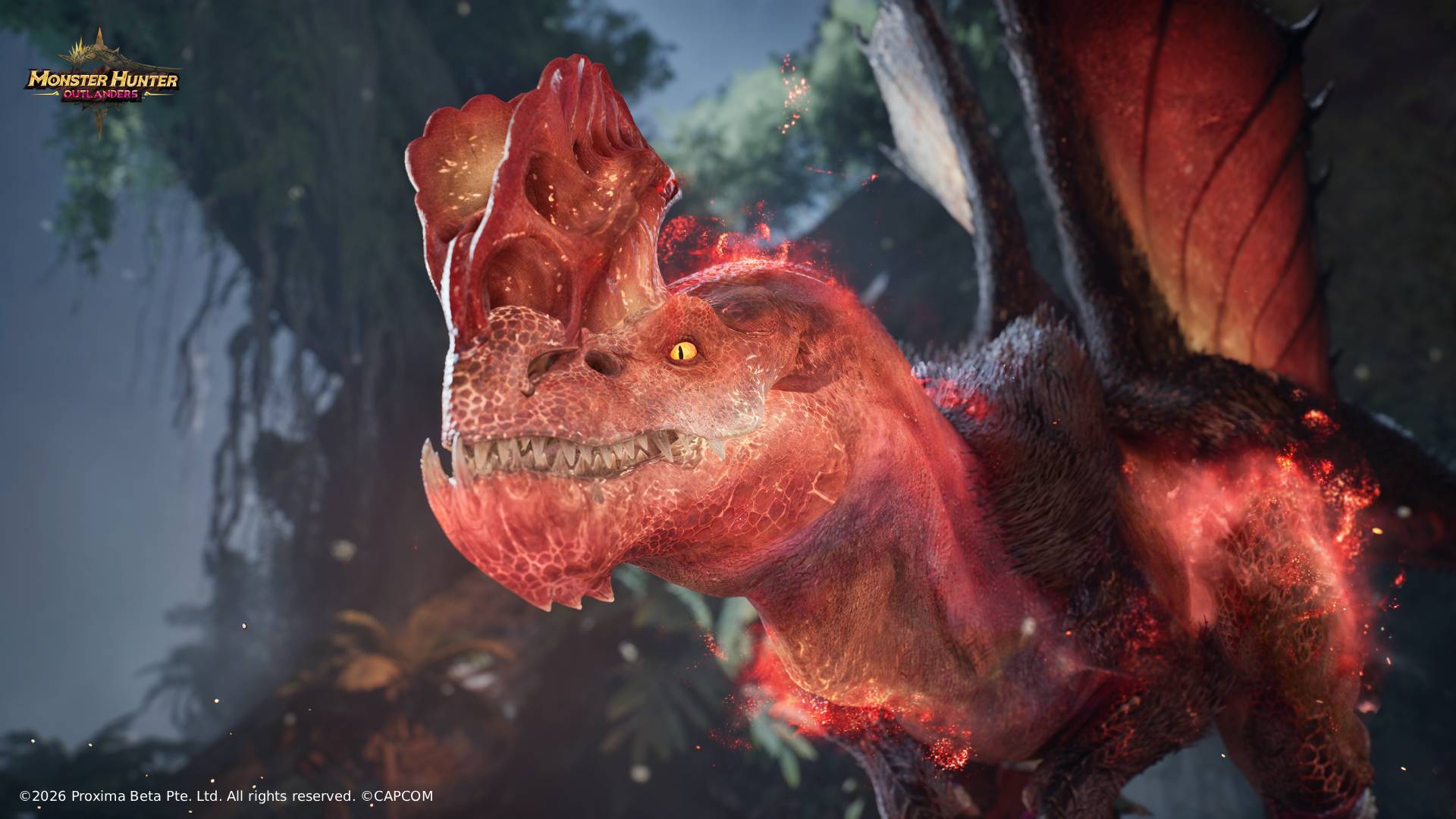
The roster is currently the game's biggest weakness. Apart from some story-exclusive content and the highly promoted flagship monster Ruger Adal, many monsters reuse models from Monster Hunter: World.
The main solution is Radiant Species, enhanced monsters with new attacks that drop unique materials for equipment with new skills. This is a reasonable way to extend a free-to-play game's lifespan, but veteran hunters may find the reused foundation less exciting. Without more original monsters like Ruger Adal, repetitive farming could become tiring.
Progression: Grinding and Resource Management
Although gacha does not directly sell absolute power, the game still has familiar mobile progression: leveling characters, forging armor, upgrading weapons, and fitting skill gems. Most resources come from hunting, while stamina limits and daily caps slow down rapid completion.
An Excellent Spin-Off
Do not treat Monster Hunter Outlanders as a replacement for Wilds or World. It is better viewed as a spin-off in the spirit of Monster Hunter Stories.
It trades the weight and pressure of console hunts for the convenience of quick sessions anywhere. It keeps the core ideas of positioning, hit timing, and counters, while character differences help compensate for the initially limited weapon roster.
Recommended for:
Players with spare moments during commutes or lunch breaks.
Players who enjoy long-term progression and repeated hunts for perfect gear.
Free-to-play or light-spending players who trust their skills and dislike being crushed by spending.
Not recommended for:
Players who strongly dislike daily tasks, login rewards, and mobile notification clutter.
Hardcore traditionalists who believe Monster Hunter must be played on a large screen for hours at a time.
As a free game, its combat foundation exceeds expectations. If the developers add more original monsters and continue to uphold the principle that gear comes from hunting rather than pulls, it could become a permanent mobile home for both casual sessions and serious action gameplay.










-2a715a59b9ac4d34bbed497d36983382.png?x-oss-process=image/resize,m_fill,h_160,w_120/format,webp)